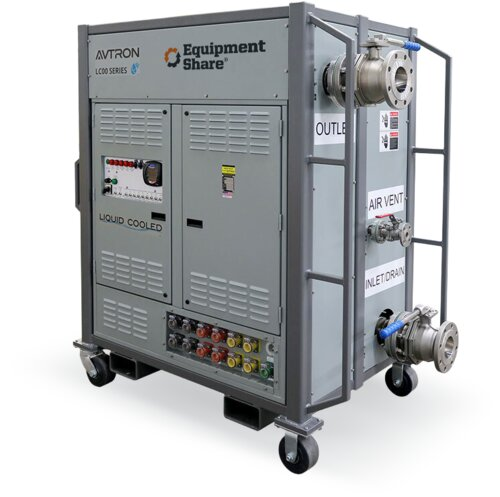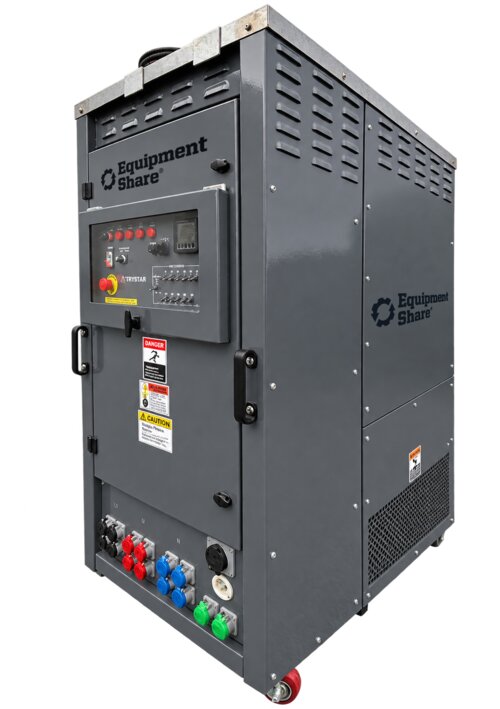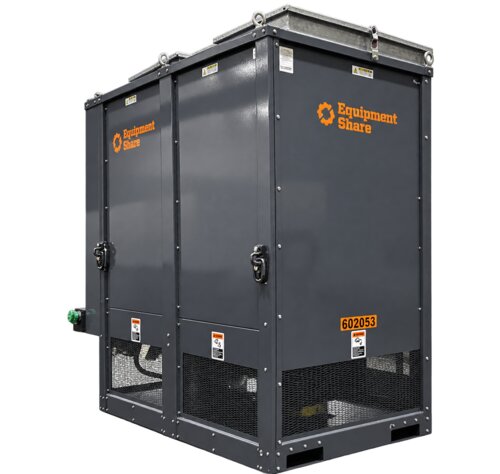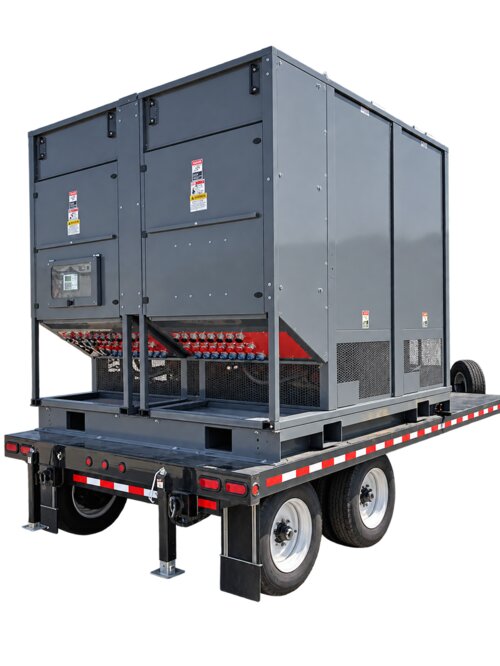
Controlled electrical and thermal loading for AI, HPC, and mission-critical data centers.
Contact Our TeamUnits parallel in the field. Resistive and reactive systems are available.
Networkable For Multi-Megawatt Testing + Nationwide Availability
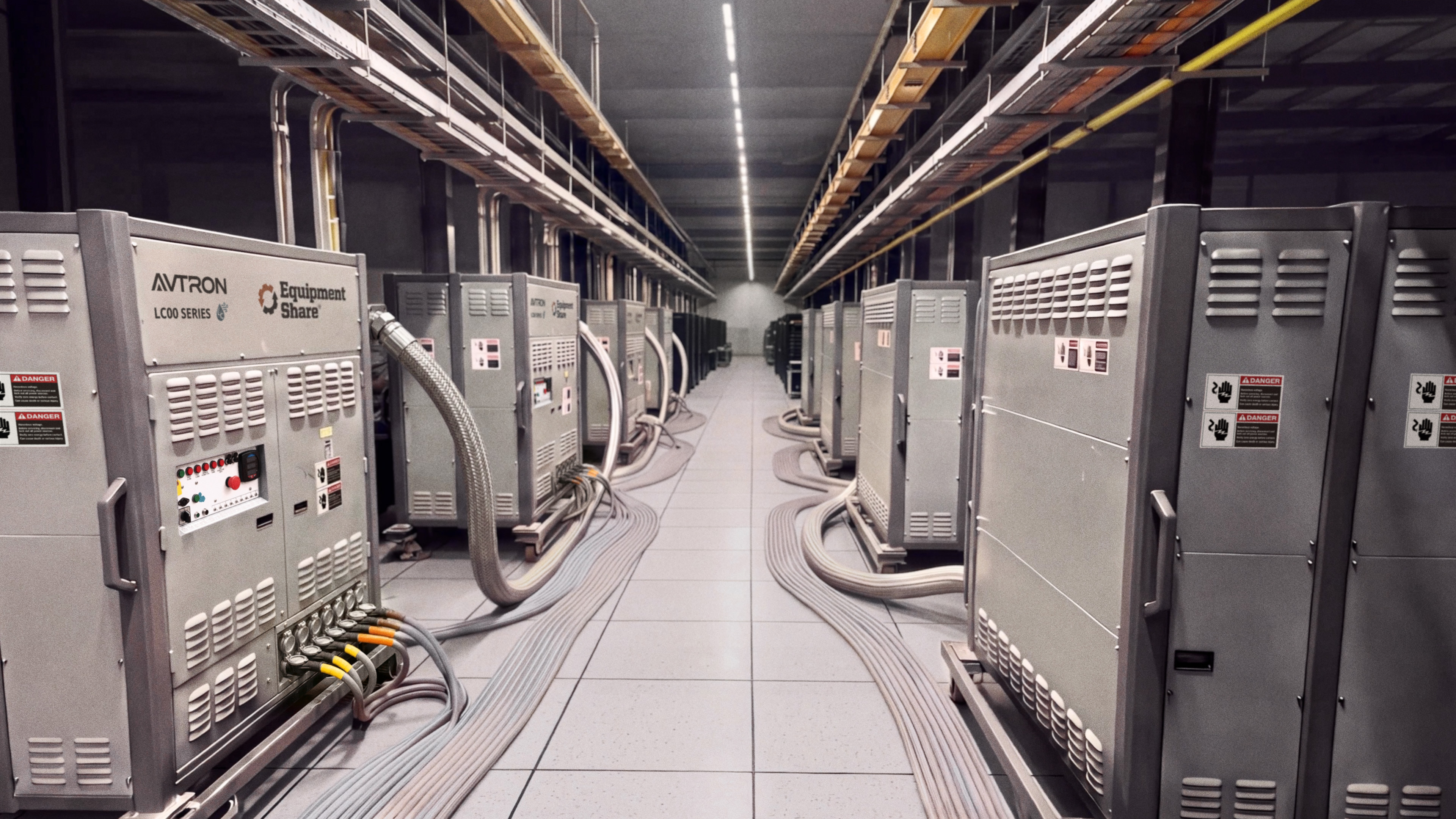
Liquid cooled systems do more than test generator sets. Run three critical phases with a single mobilization schedule on site.
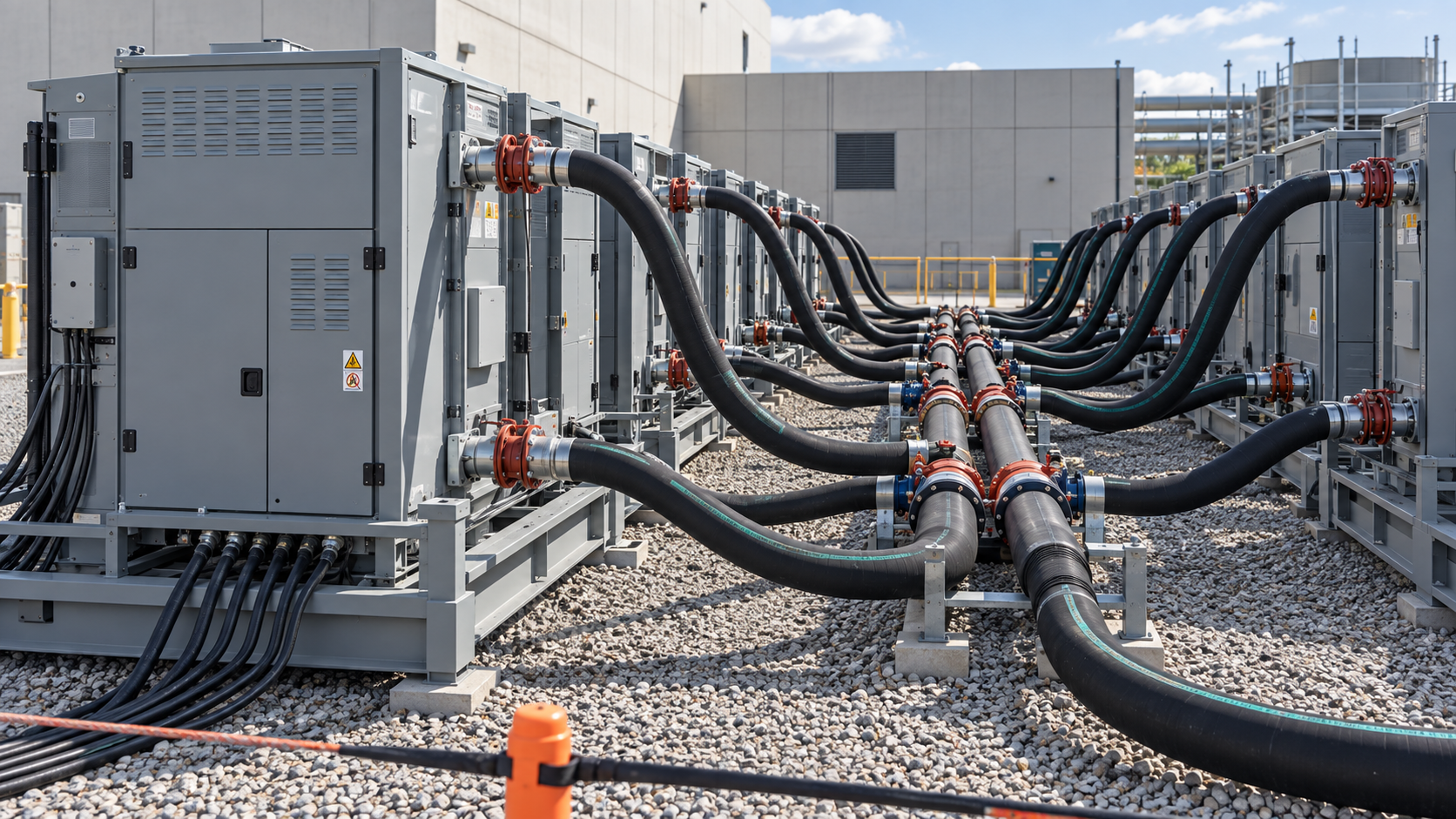
Electrical + Thermal Testing
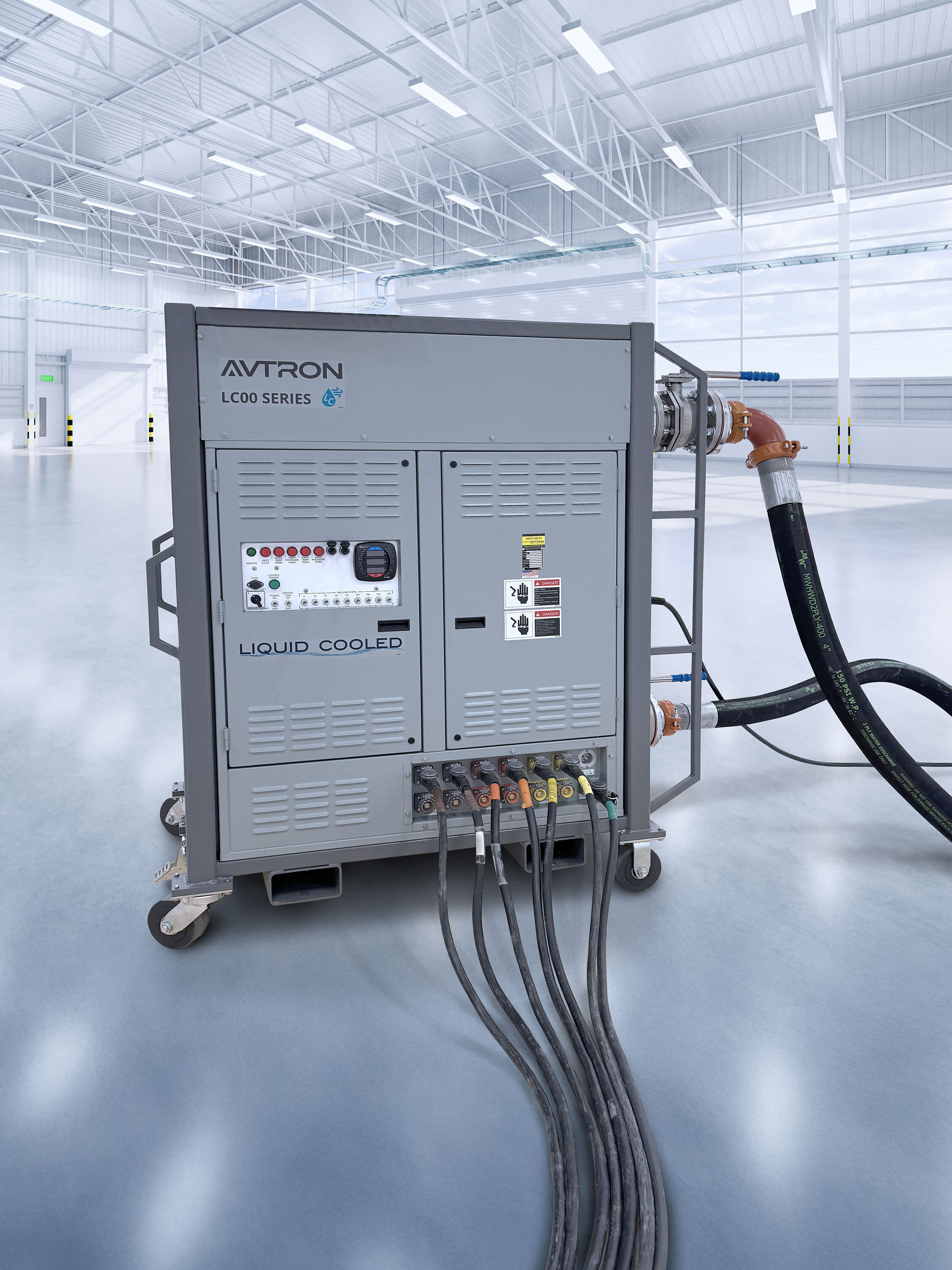
Apply controlled electrical load while transferring heat into the facility’s liquid cooling system.
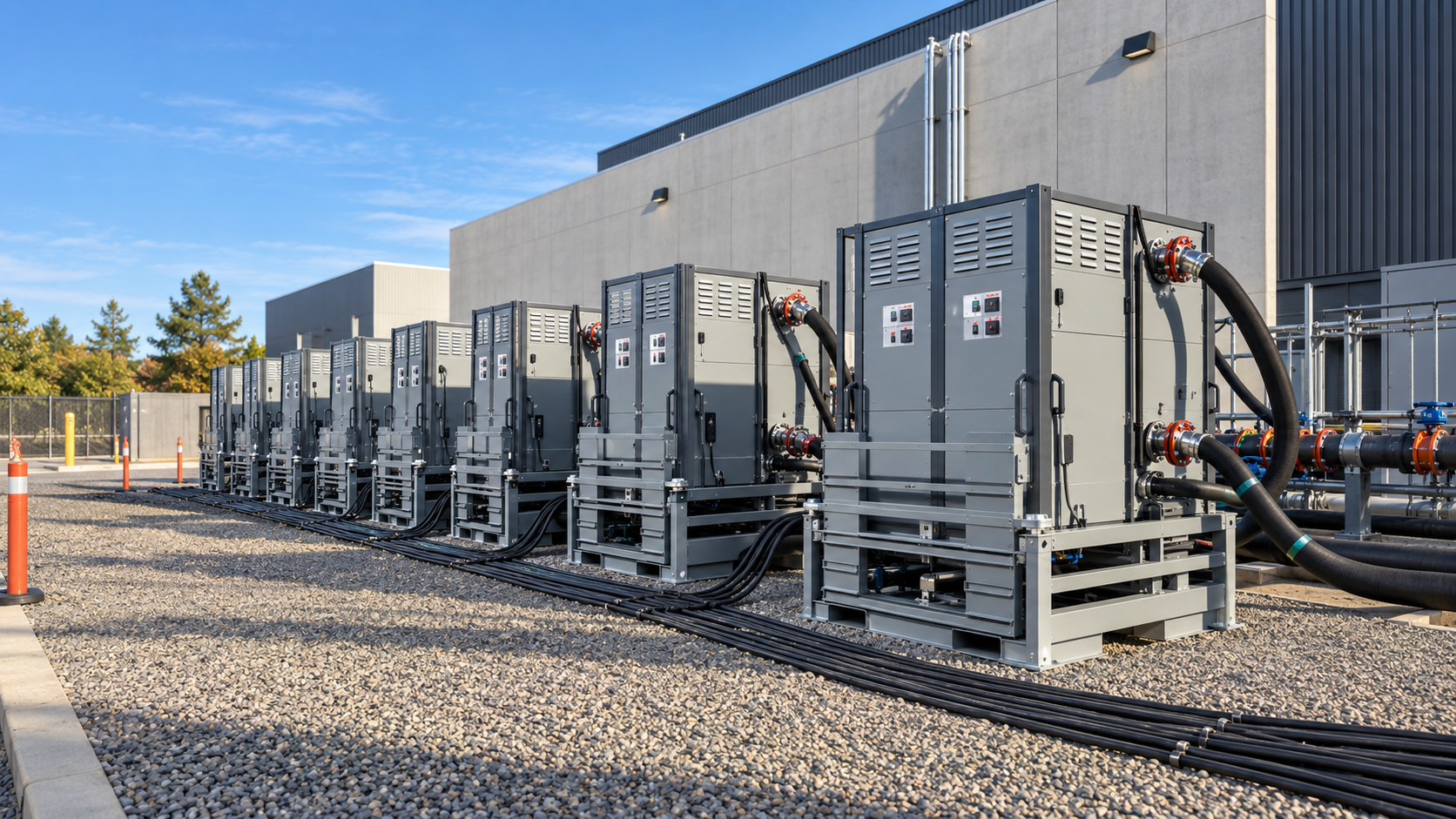
Built For Commissioning
Designed to support data center commissioning, including L3, L4, and L5 testing.
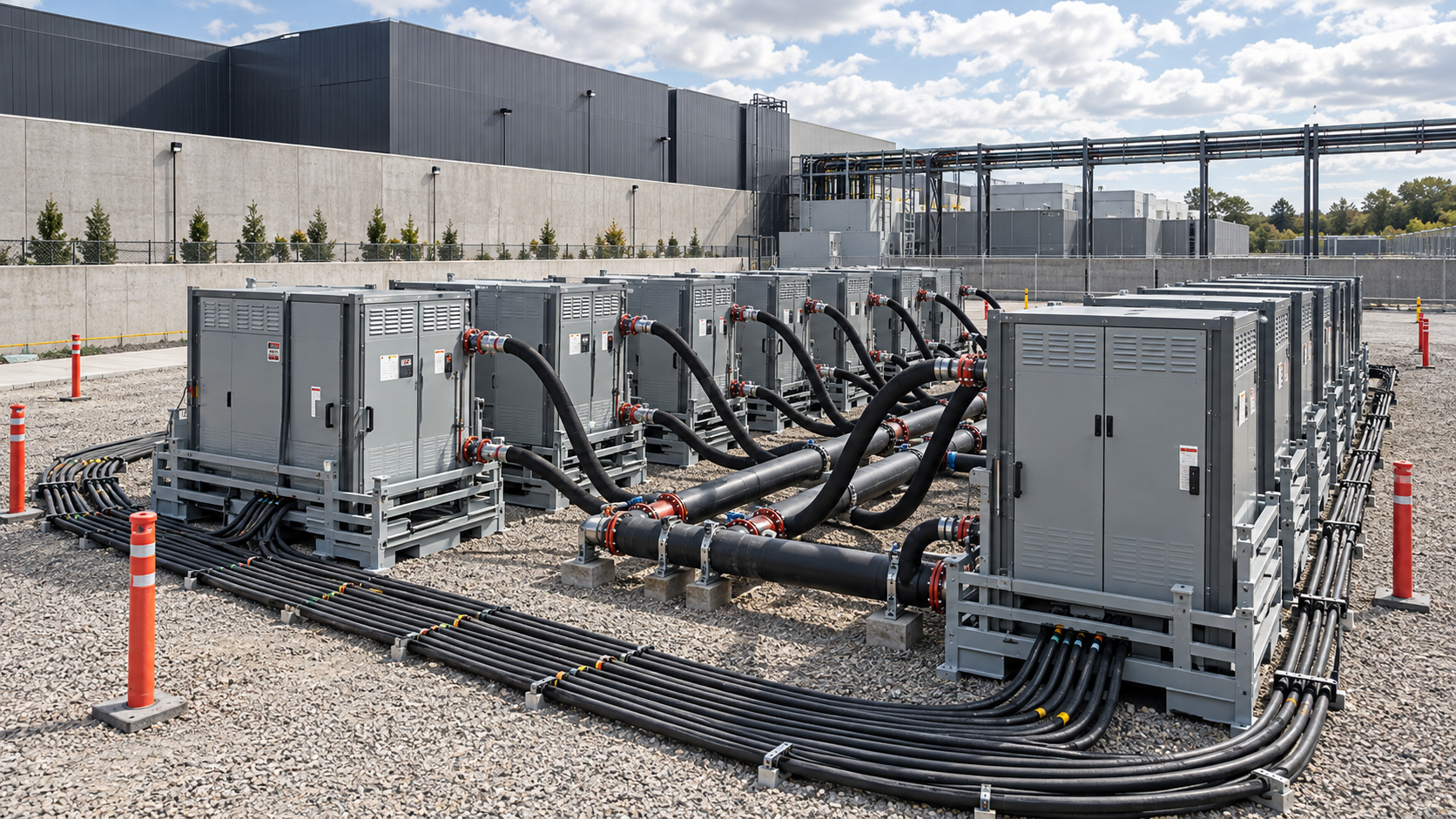
AI + HPC Ready
Supports testing for direct-to-chip cooling, CDUs, chilled-water systems, and other high-density cooling infrastructure.


01
Send Us the Specs
Capacity, voltage, cooling parameters, project dates and site requirements.
02
We Size & Confirm
Confirm the load-bank configuration, flow requirements, pumps, hoses/manifolds, cabling and paralleling requirements.
03
We Deliver & Connect
Mobilize the load banks and supporting equipment, complete connections and verify the system is ready for testing.
04
Commission & Demobilize
Support IST/commissioning activities on site, capture required test information, then disconnect and demobilize when testing is complete.
Talk to our team about availability, mobilization, equipment configuration and commissioning support. We can stage and mobilize multi-megawatt load bank packages around the project schedule.
Contact our team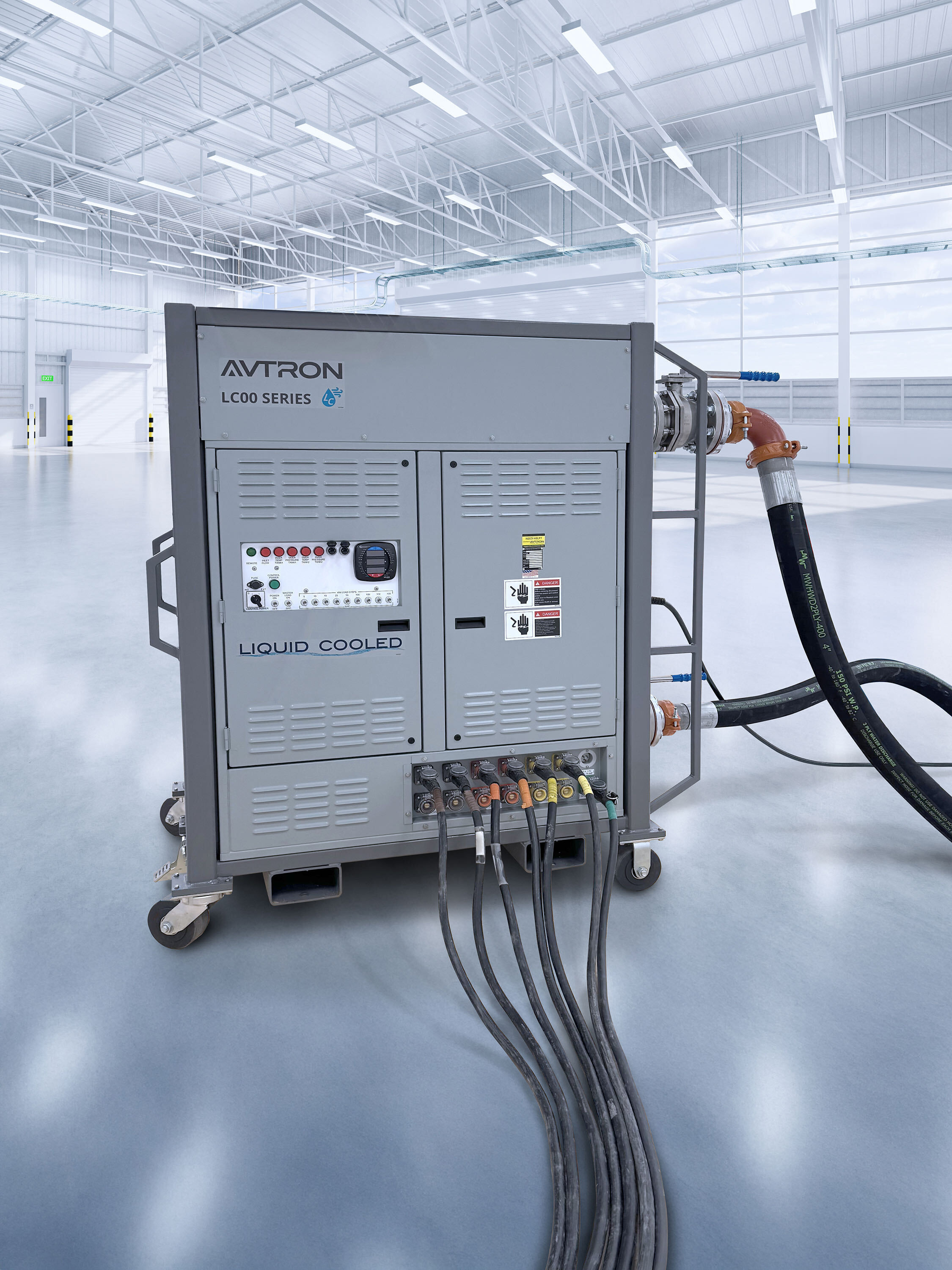

What is a load bank?
A load bank is a piece of equipment that creates and applies an artificial electrical load to a power source (like a generator, UPS, battery bank, or utility feed), so its performance can be verified without relying on a facility's actual, and often unpredictable, real-world load. It draws power from the source and safely converts it into heat (usually dissipated through air or liquid cooling), letting engineers confirm that a power system can deliver its rated capacity, voltage, and frequency under controlled, repeatable conditions. Load banks can also be used as a controlled heat source for testing HVAC/cooling systems.
What is load bank testing?
Load bank testing is the process of connecting a load bank to a power source and running it through a defined sequence of loads while monitoring voltage, frequency, temperature, and other parameters. It's used to commission new equipment, validate a system after repairs or upgrades, exercise standby generators, and prove that electrical and cooling infrastructure can handle full design load before live IT equipment goes in.
What is a liquid-cooled load bank?
Liquid cooling is a method of removing heat from electronic equipment using a liquid (typically water, a water/glycol mix, or a dielectric fluid) instead of relying solely on air. Liquid conducts heat far more efficiently than air, which is why it's become the standard approach for high-density servers and AI accelerators that generate more heat than fans can practically handle.
What kW/MW capacities are available for liquid-cooled load banks?
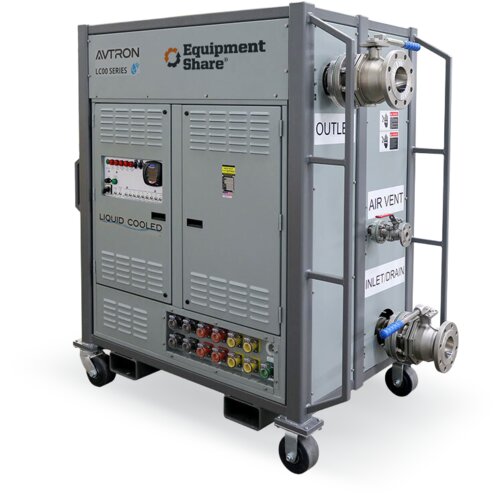
Individual liquid-cooled load bank units on the market today generally range from about 25 kW up to roughly 1 MW per cabinet. EquipmentShare offers 500 kW and 720 kW liquid-cooled load banks, and multiple units can be networked together to provide multi-megawatt capacity.
What is a load bank for a generator?
A generator load bank is used to test and verify that a generator can produce its rated electrical output under controlled conditions.
How much does it cost to rent a liquid-cooled load bank?
The cost of liquid-cooled load banks varies widely depending on use cases. EquipmentShare offers competitive rates for daily, weekly, and monthly rental options. Contact an EquipmentShare branch near you to get an accurate cost estimate based on your project’s needs.
Do AI data centers use direct-to-chip liquid cooling?
Many AI data centers have already implemented direct-to-chip liquid cooling technology, and that number continues to climb. This approach pipes coolant right to the chip, offering advantages in heat handling that make it well suited for high performance AI systems compared to traditional air cooling.
What is a liquid-cooled load bank and how is it used in data center commissioning?
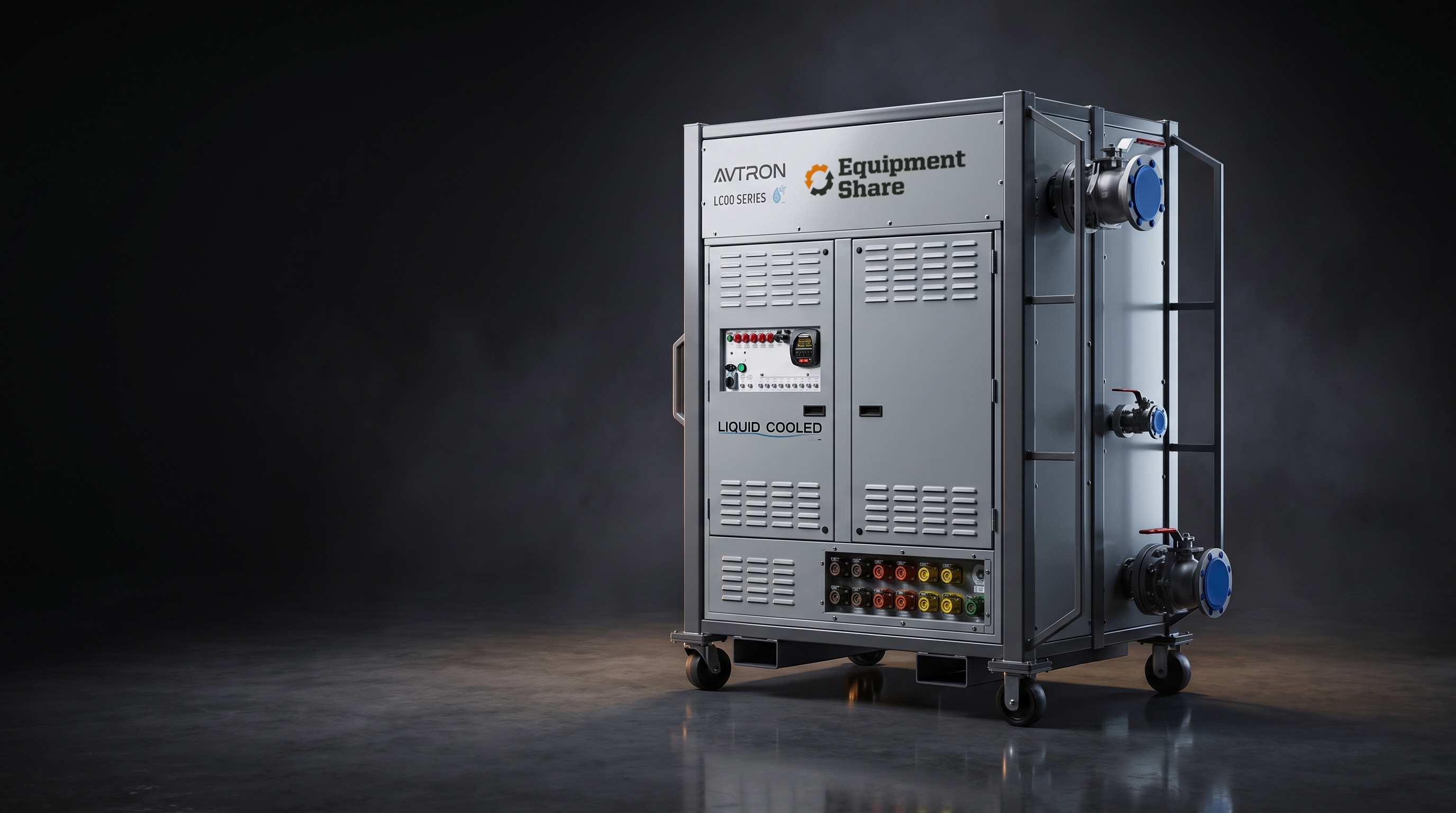
A liquid-cooled load bank applies a controlled electrical load while transferring that energy as heat into a facility’s liquid cooling system. In data centers, liquid-cooled or water-cooled load banks can be used during commissioning to test electrical distribution and chilled-water infrastructure before live IT equipment is installed.
What are the different types of load banks?
What are the different types of load banks?
How do liquid-cooled and air-cooled load banks differ for data center testing?
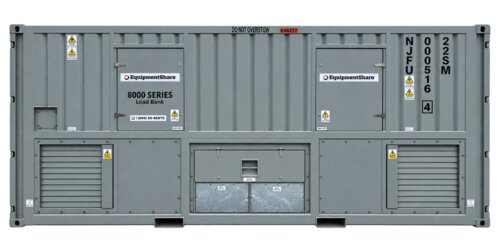
Air-cooled resistive load banks convert electrical energy into heat and discharge that heat into the surrounding air. Liquid-cooled resistive load banks transfer the heat into a water or glycol loop. Depending on the commissioning plan, both can be used to simulate the electrical and thermal loads created by data center IT equipment.
How are load banks used during Level 3, Level 4 and Level 5 data center commissioning?
Load banks provide controlled, repeatable electrical and thermal loads during data center commissioning. They can support Level 3 (L3), Level 4 (L4) and Level 5 (L5) testing by helping validate individual equipment, integrated electrical and cooling systems, and overall facility performance before the data center goes live.
How can load banks test direct-to-chip and liquid cooling systems for AI and HPC data centers?
AI and high-performance computing (HPC) infrastructure can use direct-to-chip/direct liquid cooling, CDUs and other liquid cooling technologies to manage high heat densities. Liquid-cooled load banks can simulate these thermal loads, allowing chilled-water and liquid cooling infrastructure to be tested before expensive servers, GPUs and other IT equipment are placed into service.
What size liquid-cooled load bank is needed for an AI or HPC data center?
Load bank capacity should be based on the electrical and thermal loads required by the commissioning plan. EquipmentShare offers 500 kW and 720 kW liquid-cooled load banks, and multiple units can be networked together to support multi-megawatt testing for large AI, HPC and data center projects.
What types of load banks are used for data center commissioning?
Common options include air-cooled resistive load banks, liquid-cooled or water-cooled resistive load banks, and resistive-reactive load banks. The appropriate equipment depends on whether the commissioning plan requires electrical load testing, thermal load testing, cooling-system testing, or a combination of these tests.